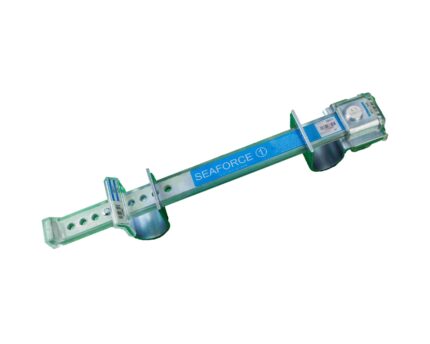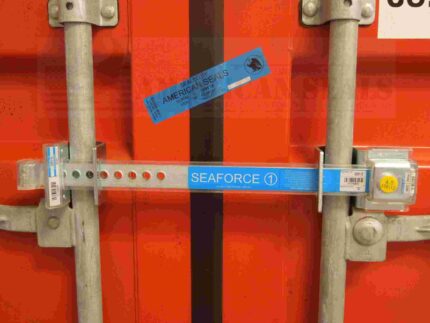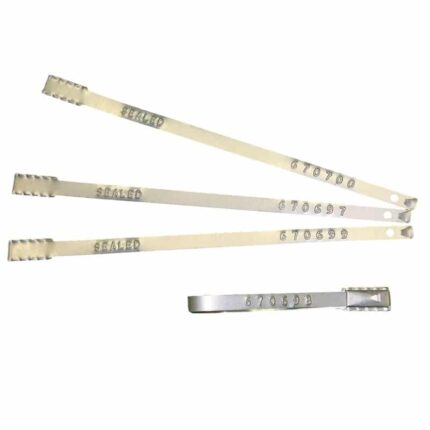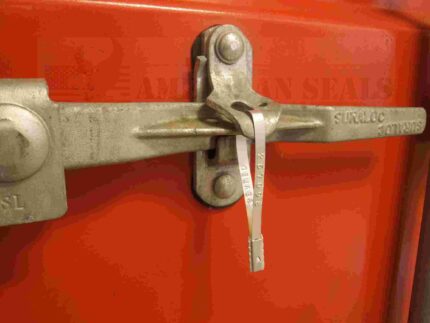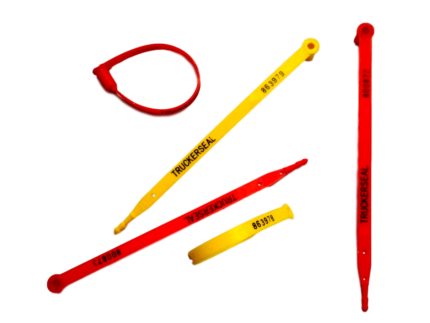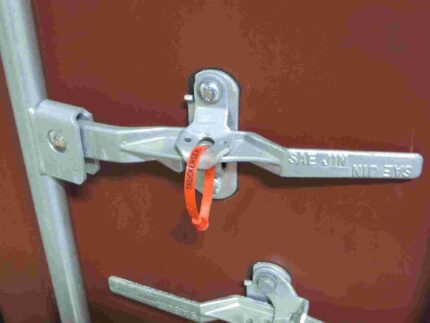

- Bar / Barrier Seals
- Bolt Seals
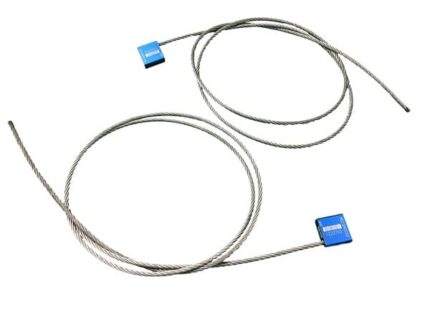
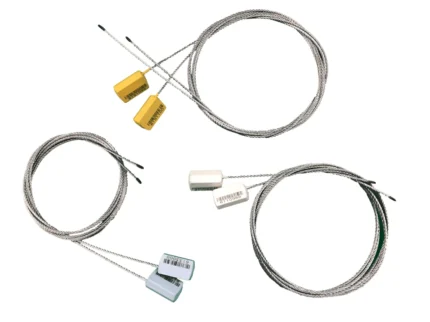
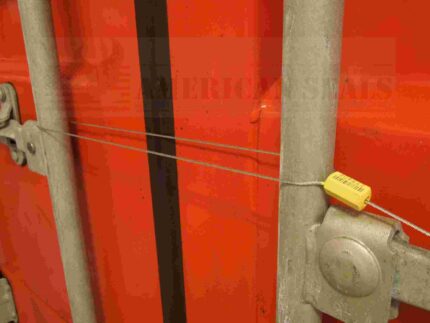
- Cable Seals
- Pull Tight Cable Seal 17″ (5/64″ / 1.8mm) PTSEAL (17″)
- Pull Tight Cable Seal 39″ (5/64″ / 1.8mm) PTSEAL (39″)
- Pull Tight Cable Seal – Model JoeGuard Series 12″
- Pull Tight Cable Seal – Model JoeGuard Series 39″
- Pull Tight Cable Seal – Model JoeGuard Series 58″
- Pull Tight Cable Seal – Model JoeGuard 78″
- Plastic Seals
- Tin Seals
- Meter Seals
- Tamper-Proof Labels
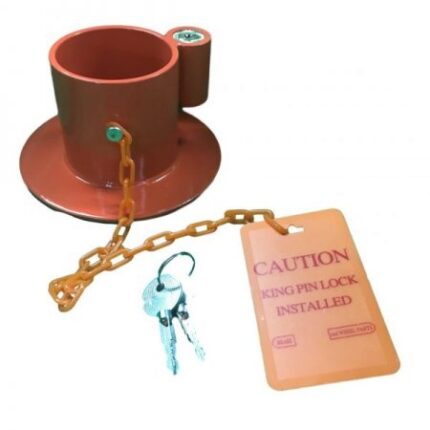
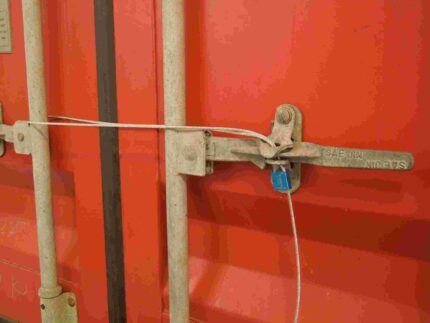
- Trailer Seals
Back to products
Pull Tight Cable Seal – Model JoeGuard Series 58″ ($1.99 per unit)
$199.00 – $214.00Price range: $199.00 through $214.00
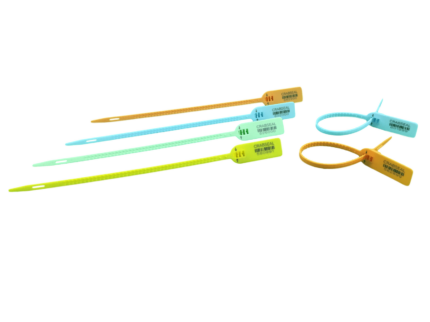
Pull Tight Cable Seal – Model JoeGuard Series 39″ ($1.39 per unit)
$139.00 – $154.00Price range: $139.00 through $154.00
$1.39 each unit (100 units per box)
| Quantity | 1 – 9 Boxes | 10+ Boxes | 25+ Boxes | 50+ Boxes |
| Price/Unit | $1.39 | $1.37 | $1.35 | $1.30 |
SKU:
N/A
Category: Cable Seal
Tags: Application, Barcoded, Blue, Cable, consecutive numbering, Container, CTPAT, Custom, Customizable, High Security, high security seals, ISO PAS, Laser Engraved, Metal, Numbered, security seal, Wire
Description
Your Company Name laser engraved on the seals starting at 100 units and up. Orders engraved and shipped in just days.
Click here to view JoeGuard High-Security ISOPAS 17712 Certificate
Description:
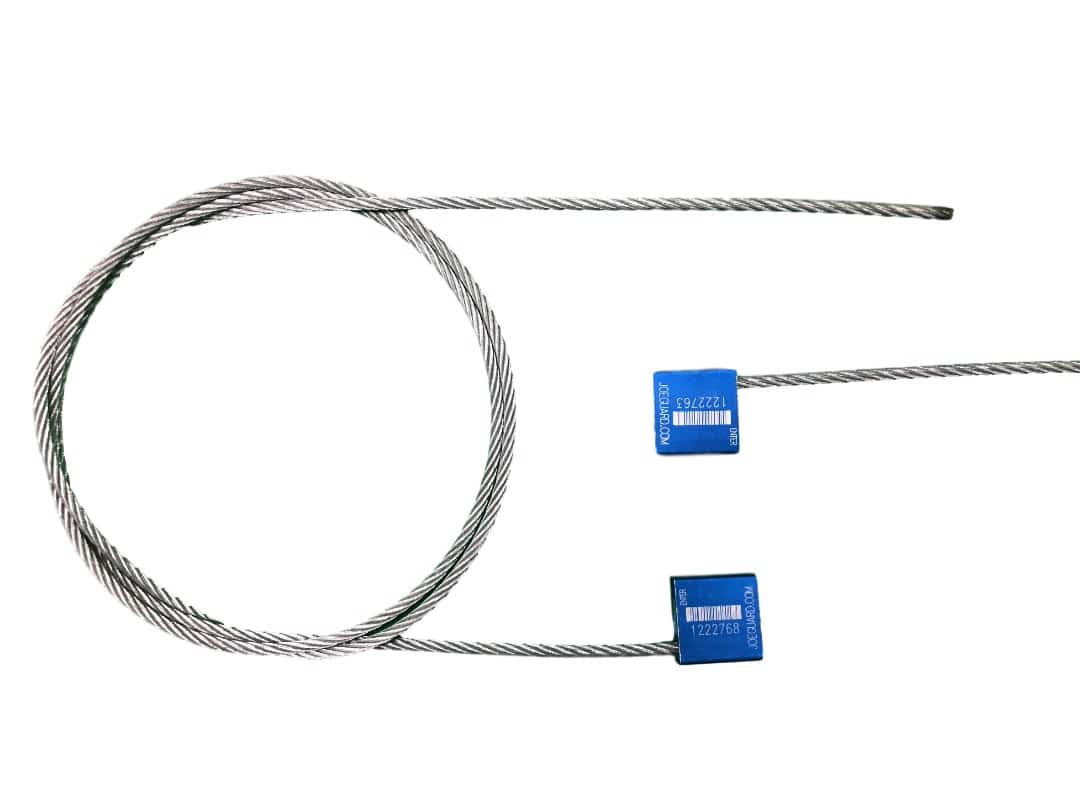
- Galvanized steel cable.
- CTPAT and ISO PAS 17712 : 2013 Certified
- One piece adjustable cable length.
- Carbon steel locking mechanism.
- Aluminum housing.
- Sequential numbering.
- Bar coded.
- Blue color.
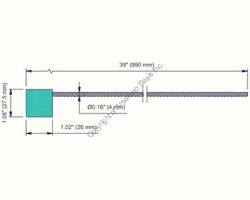
- Standard cable diameter 5/32″(4mm).
- Removed by cable cutter.
- Cable frap if cut.
- Breaking strength >1000 kgs.
- HS CODE 8309.90.0000
Packaging:
- “JoeGuard 39″
- 1 Carton: 100 pieces
- Carton size: 13″ x 12″ x 4″
- Weight: 19lbs.
Applications:
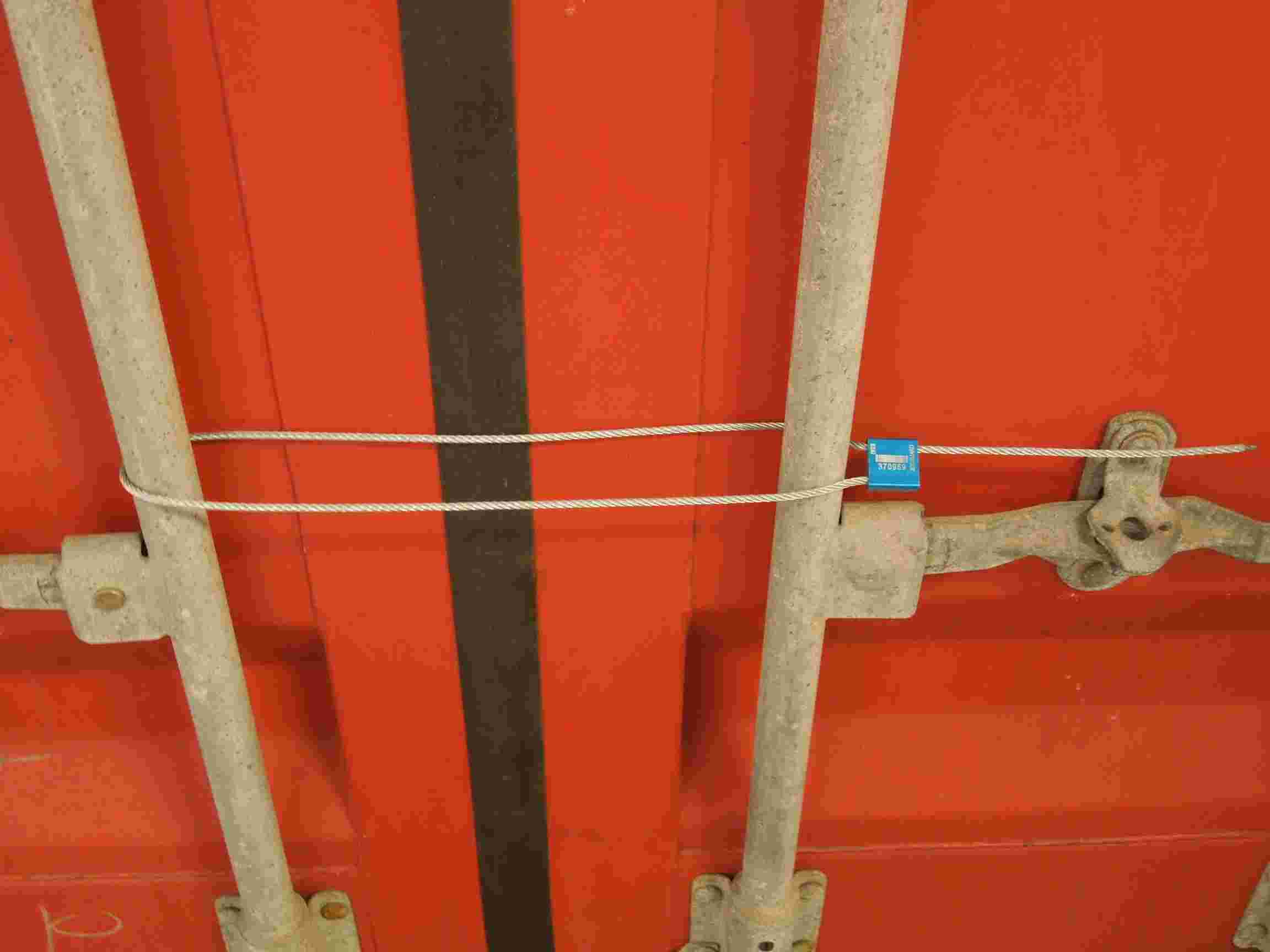
- Containers, Trucks, railroad cars, railcars
- Valves, Doors, Trains, Etc…
Click Here to Return to Our Homepage
With evident benefits in the transportation and logistics sectors, investing in our robust range of pull tight cable seals is a practical way to protect your goods from tampering, theft, unauthorized access and contamination. For more information on how our range of security products can benefit your business, visit our ‘Contact us’ page, call us on 954-438-8229 or email us at sales@americanseals.com
Additional information
| Weight | 19 lbs |
|---|---|
| Dimensions | 12.5 × 11.5 × 5.5 in |
| Engraving option |
No ,Yes |
Shipping & Delivery
# High Security Bolt Seals: The Complete Guide to Container Security and ISO 17712 Certification
When it comes to protecting high-value cargo in international shipping, not all security measures are created equal. Bolt seals have become the gold standard for securing shipping containers, truck trailers, and rail cars—but understanding the difference between genuine ISO 17712 **certified** seals and merely "compliant" products can mean the difference between true security and a false sense of protection.
At American Seals Inc., we don't just claim our products meet standards—we hold actual ISO 17712 certification. Think of it this way: anyone can say they "know how to drive," but only someone with a valid driver's license has proven their competence through rigorous testing. The same principle applies to security seals.
## What Are Bolt Seals and Why Do They Matter?
Bolt seals are heavy-duty, one-time-use security devices designed to secure cargo containers, trailer doors, and other high-value shipments during transit. Unlike lighter-duty plastic seals or indicative seals, bolt seals provide the highest level of physical security and tamper evidence required for international commerce.
These robust devices consist of two main components: a hardened steel bolt (or pin) and a locking barrel. Once the bolt is inserted through the locking mechanism and into the barrel, it cannot be removed without visible damage or the use of specialized cutting tools. This design creates an unmistakable barrier against unauthorized access while providing clear evidence if tampering has occurred.
The importance of bolt seals extends far beyond simple theft prevention. In today's complex global supply chain, these devices serve multiple critical functions: they deter cargo theft, provide evidence of tampering, ensure customs compliance, maintain chain of custody documentation, and protect against contraband insertion. When a container arrives at its destination with an intact, properly numbered bolt seal, everyone in the supply chain can have confidence that the cargo hasn't been compromised during transit.
## The Critical Difference: ISO 17712 Certified vs. "Compliant"
Here's where many companies in the security seal industry create confusion—and where American Seals Inc. stands apart. The terms "ISO 17712 compliant" and "ISO 17712 certified" sound similar, but they represent vastly different levels of verification and accountability.
### What "Compliant" Really Means
When a manufacturer claims their bolt seals are "ISO 17712 compliant," they're essentially saying their products should meet the standard's requirements—but there's no independent verification. It's a self-assessment, similar to someone claiming they're a good driver without ever taking a driving test. There's no third-party testing laboratory involved, no independent auditor examining their manufacturing processes, and no ongoing oversight to ensure quality remains consistent.
Many suppliers use "compliant" language because it sounds official and reassuring to customers who may not understand the distinction. However, without independent verification, there's no guarantee the seals will perform as expected when it matters most.
### What True Certification Requires
ISO 17712 certification, on the other hand, demands rigorous independent verification across three critical areas. First, the seals must undergo mechanical strength testing by an ISO/IEC 17025 accredited laboratory. These tests measure resistance to various attack methods, including pulling, twisting, shearing, and impact forces. To achieve "H" class (High Security) certification, bolt seals must withstand substantial force—far exceeding what indicative or security-class seals can handle.
Second, the manufacturer's facility and processes must be audited for security-related business practices under ISO 17712 Annex A. This comprehensive audit examines over two dozen required practices, including facility risk assessments, access controls to production areas, secure storage of finished seals, documentation procedures, and employee background checks. Poor manufacturing security can undermine even the strongest seal design, which is why this audit is essential.
Third, the seals must demonstrate tamper-evident features that generate clear, tell-tale evidence of any tampering attempts. An independent third-party organization accredited to ISO 17020 must verify that the seals show unmistakable signs when someone tries to defeat them. This requirement was added to the 2013 revision of ISO 17712 and represents a significant improvement in seal security standards.
American Seals Inc. maintains full ISO 17712 certification, meaning our manufacturing processes, security practices, and products have all been independently verified and audited. We can provide documentation of our certification because we've earned it through rigorous testing and ongoing compliance—not just by claiming our products meet the standard.
## Understanding C-TPAT Requirements and U.S. Customs Regulations
The Customs-Trade Partnership Against Terrorism (C-TPAT) program, administered by U.S. Customs and Border Protection, requires that all loaded containers bound for the United States be secured with high security seals that meet or exceed ISO 17712 standards. This isn't a suggestion—it's a mandatory requirement for companies participating in the C-TPAT program.
The regulation specifically states that "H" class seals must be used, meaning indicative or security-class seals don't meet the requirement. Furthermore, as of May 15, 2014, all high security seals must comply with the updated ISO 17712:2013 standard, which includes the enhanced tamper-evidence requirements mentioned earlier.
For importers, exporters, and logistics providers, using properly certified bolt seals isn't just about security—it's about regulatory compliance. Failure to use appropriate seals can result in shipment delays, additional inspections, potential fines, and even suspension from the C-TPAT program. Given that C-TPAT membership provides significant benefits including reduced inspections and faster cargo processing, maintaining compliance is essential for efficient operations.
## How Bolt Seals Work: Design and Security Features
The engineering behind a high-quality bolt seal combines simplicity with sophisticated security features. Understanding how these devices work helps explain why they've become the preferred choice for securing high-value cargo worldwide.
### The Locking Mechanism
A bolt seal's core functionality relies on a one-way locking mechanism. The hardened steel bolt features a series of precisely machined grooves or teeth along its shaft. When inserted into the barrel, internal locking elements engage with these grooves, allowing the bolt to move in only one direction—deeper into the barrel. Once fully inserted, the bolt cannot be withdrawn without breaking the seal or cutting through the hardened steel.
The barrel itself contains the locking mechanism, typically consisting of hardened steel balls, wedges, or specially designed locking elements. These components are engineered to withstand tremendous force in the withdrawal direction while allowing smooth insertion. The barrel is usually coated with a brightly colored, tamper-evident plastic shell that shows clear signs of any tampering attempts.
### Tamper-Evident Features
Modern bolt seals incorporate multiple tamper-evident features designed to make any compromise attempt immediately visible. The plastic coating on the barrel is formulated to crack, tear, or show stress marks when subjected to force. Many designs include breakaway sections that separate if someone tries to pry the seal open.
The matching serial numbers laser-etched on both the bolt and barrel provide another layer of security. If someone manages to remove a seal and replace it with a different one, the mismatched numbers immediately reveal the tampering. Some advanced designs, like our [Queenseal bolt seal](https://www.americanseals.com/product/bolt-seal-model-queenseal-high-security/), incorporate additional security features such as anti-spin designs that prevent rotation-based attacks.
### Material Specifications
The materials used in high-security bolt seals are carefully selected for their strength and durability. The bolt is typically manufactured from hardened carbon steel, heat-treated to achieve specific hardness levels that resist cutting, drilling, and sawing. The barrel's internal locking mechanism uses similarly hardened steel components.
The outer plastic coating serves multiple purposes beyond tamper evidence. It protects the metal components from corrosion during ocean transport, provides a surface for printing serial numbers and company information, and offers color-coding options for different shipping routes or security levels. The plastic must be durable enough to withstand normal handling and environmental conditions while remaining brittle enough to show clear evidence of tampering.
## Applications: Where Bolt Seals Provide Maximum Security
Bolt seals have become the industry standard across multiple transportation and logistics sectors, each with specific security requirements and challenges.
### Shipping Containers
International shipping containers represent the most common application for bolt seals. These standardized metal boxes carry billions of dollars worth of goods across oceans every day, making them prime targets for theft and contraband insertion. Container doors feature standardized locking bars with holes specifically designed to accommodate bolt seals.
The maritime shipping industry has universally adopted bolt seals as the minimum acceptable security measure for international cargo. Port authorities, customs agencies, and shipping lines all recognize and accept properly certified bolt seals as evidence of container integrity. When a container arrives at its destination port with an intact seal matching the shipping documentation, it provides assurance that the container hasn't been opened during transit.
### Truck Trailers and Semi-Trailers
Over-the-road trucking presents different security challenges than ocean shipping, but bolt seals remain equally important. Truck trailers often make multiple stops during their journey, and cargo theft from trailers represents a significant industry problem. Bolt seals secure trailer doors during transit and at rest stops, providing drivers and fleet managers with confidence that cargo remains secure.
Many trucking companies use color-coded bolt seals to indicate different routes, customers, or security levels. The quick visual identification helps warehouse personnel and drivers verify they're handling the correct trailer without needing to check documentation first. The seals also provide legal protection for drivers, as an intact seal demonstrates the driver didn't access the cargo during transit.
### Rail Cars
Railroad freight cars carry everything from automobiles to chemicals to consumer goods across continents. Rail cars often sit in switching yards for extended periods, making them vulnerable to theft if not properly secured. Bolt seals provide the necessary security for these high-value shipments while withstanding the harsh conditions of rail transport.
Rail applications require particularly robust seals because of the vibration, temperature extremes, and rough handling that rail cars experience. The seals must remain intact through thousands of miles of travel, multiple coupling and uncoupling operations, and exposure to weather ranging from desert heat to arctic cold.
### Cross-Border Commerce
International trade involves multiple jurisdictions, each with its own customs requirements and security standards. Bolt seals provide a universally recognized security measure that satisfies customs authorities worldwide. When properly certified to ISO 17712 standards, these seals are accepted at borders from North America to Europe to Asia.
The documentation trail associated with bolt seals—recording seal numbers at origin, verifying them at destination, and investigating any discrepancies—creates an auditable chain of custody that customs authorities rely upon. This documentation helps prevent smuggling, ensures proper duty collection, and facilitates legitimate trade by reducing inspection requirements for compliant shippers.
## Choosing the Right Bolt Seal: Key Considerations
Selecting appropriate bolt seals for your operation requires understanding several important factors that affect both security and operational efficiency.
### Security Level Requirements
Not all shipments require the same level of security. High-value cargo, pharmaceuticals, electronics, and other theft-prone goods demand the highest security level—ISO 17712 "H" class certification. These seals provide maximum resistance to tampering and meet C-TPAT requirements for U.S.-bound shipments.
For domestic shipments or lower-value cargo, you might consider whether the additional cost of high-security seals is justified. However, many companies choose to standardize on high-security seals across all operations to simplify inventory management and ensure consistent security practices.
### Environmental Conditions
The operating environment significantly affects seal performance and longevity. Ocean shipping exposes seals to salt spray, humidity, and temperature fluctuations. Refrigerated containers subject seals to extreme cold. Desert routes involve intense heat and dust. Your seal selection should account for these conditions.
Quality bolt seals use corrosion-resistant materials and protective coatings designed to withstand harsh environments. The plastic coating should remain flexible in cold temperatures while not becoming brittle or cracking. Metal components should resist rust and corrosion even after weeks of ocean exposure.
### Ease of Application and Removal
While security is paramount, operational efficiency matters too. Bolt seals should be easy to apply correctly—requiring only hand pressure to fully insert the bolt into the barrel. Seals that require tools for application slow down operations and increase the risk of improper installation.
Removal is equally important. While the seal should resist unauthorized removal, legitimate removal at the destination should be straightforward with proper tools. Our [bolt cutter tool](https://www.americanseals.com/product/bolt-cutter/) is specifically designed to safely and efficiently remove bolt seals without damaging container doors or creating safety hazards. The 30-inch handles provide the leverage needed to cut through hardened steel bolts with minimal effort.
### Customization Options
Many companies benefit from customized bolt seals featuring their logo, company name, or specific color schemes. Customization provides additional security through brand recognition—warehouse personnel can quickly identify authentic seals versus counterfeit ones. It also provides marketing value and reinforces brand identity throughout the supply chain.
Serial number formats can also be customized to integrate with your tracking systems. Some companies use specific number ranges for different facilities, routes, or customers, making it easier to track seal usage and identify patterns if security issues arise.
## Installation Best Practices: Ensuring Maximum Security
Even the highest-quality bolt seal provides inadequate security if improperly installed. Following proper installation procedures ensures your seals perform as designed and provide the security you're paying for.
### Pre-Installation Inspection
Before applying any seal, inspect both the seal and the locking mechanism it will secure. Check that the seal shows no signs of damage or tampering—the plastic coating should be intact, and the serial numbers on the bolt and barrel should match. Examine the container or trailer door locking bar to ensure it's undamaged and properly aligned.
This inspection step, though it takes only seconds, can prevent security issues and operational problems. A damaged locking bar might not hold the seal properly, or worse, might indicate previous tampering. A seal with mismatched numbers could be counterfeit or might have been compromised during storage.
### The VVTT Method
U.S. Customs and Border Protection recommends the VVTT seal verification process, which provides a systematic approach to proper seal installation:
**View** the seal and container locking mechanisms carefully. Ensure the locking bar is properly positioned and the seal is undamaged.
**Verify** the seal number for accuracy. Check that it matches your documentation and that the numbers on the bolt and barrel match each other.
**Tug** on the seal after installation to ensure it's properly affixed. The bolt should be fully inserted into the barrel with no play or movement.
**Twist** and turn the seal to verify it doesn't unscrew or rotate. Some counterfeit or low-quality seals can be defeated by twisting, so this check is essential.
This simple four-step process takes less than 30 seconds but significantly improves seal security and reduces the risk of improperly installed seals causing problems later.
### Documentation Procedures
Proper documentation is as important as proper installation. Record the seal number on all relevant shipping documents, including bills of lading, packing lists, and customs declarations. Many companies photograph the installed seal as additional verification.
The person installing the seal should be identified in the documentation, creating accountability and enabling investigation if issues arise. Some operations require two-person seal installation for high-value shipments, with both individuals verifying and signing off on the seal number.
### Common Installation Mistakes to Avoid
Several common mistakes can compromise seal security. Failing to fully insert the bolt into the barrel leaves the seal vulnerable to removal without visible damage. Installing the seal on the wrong locking bar position might allow the door to be partially opened despite the intact seal. Using damaged or previously compromised seals obviously defeats the entire purpose of the security measure.
Another frequent error involves recording incorrect seal numbers in documentation. A simple transposition of digits can cause significant problems at the destination, potentially resulting in shipment delays while the discrepancy is investigated. Double-checking seal numbers before finalizing documentation prevents these issues.
## Removal and Disposal: Safe Handling Procedures
Removing bolt seals requires proper tools and procedures to ensure safety and efficiency while maintaining the seal's evidentiary value.
### Proper Removal Tools
Never attempt to remove a bolt seal with improvised tools or excessive force. Bolt cutters specifically designed for seal removal, like our professional-grade [30-inch bolt cutter](https://www.americanseals.com/product/bolt-cutter/), provide the leverage and cutting power needed to safely remove hardened steel bolts. These tools feature hardened cutting jaws that maintain their edge through hundreds of cuts, ergonomic handles that reduce operator fatigue, and safety features that prevent the cut seal pieces from becoming projectiles.
Standard bolt cutters or wire cutters typically lack the strength to cut through high-security bolt seals and may damage the tool or create safety hazards. Investing in proper removal tools pays for itself through improved efficiency and reduced injury risk.
### Safety Considerations
Bolt seal removal generates sharp metal edges and can create flying debris if not done carefully. Personnel removing seals should wear safety glasses to protect against metal fragments. Gloves protect hands from sharp edges on the cut seal pieces.
Position the cutting tool carefully to control where the cut pieces fall. Cutting near the barrel end of the bolt allows the barrel to be removed intact, which is important if the seal needs to be preserved as evidence. The cut bolt piece should be collected and disposed of properly rather than left on the ground where it could cause injury or equipment damage.
### Evidence Preservation
In cases where tampering is suspected or cargo discrepancies are discovered, the seal becomes important evidence. Remove the seal carefully to preserve any tamper-evident features. Photograph the seal in place before removal, showing its condition and position. After removal, store the seal in a secure location with documentation of who removed it, when, and under what circumstances.
Many companies maintain a seal log that records seal numbers, installation dates, removal dates, and the condition of seals upon removal. This documentation creates an auditable trail that can be invaluable during investigations or insurance claims.
## The American Seals Difference: Why Certification Matters
After more than 30 years in the security seal industry, we've seen countless companies make claims about their products' quality and compliance. What sets American Seals Inc. apart isn't just our products—it's our commitment to verifiable, independently certified quality.
### Our Certification Credentials
Our [Queenseal bolt seal](https://www.americanseals.com/product/bolt-seal-model-queenseal-high-security/) carries full ISO 17712:2013 certification, verified by independent testing laboratories and auditing organizations. This means:
- Our seals have been tested by an ISO/IEC 17025 accredited laboratory and proven to meet or exceed the "H" class strength requirements
- Our manufacturing facility has been audited and certified for compliance with ISO 17712 Annex A security practices
- Our seals have been verified to provide clear tamper evidence per ISO 17712 Clause 6 requirements
- We maintain ISO 9001 certification for our quality management systems
We don't just claim compliance—we can provide documentation proving our certification. This distinction matters when customs authorities question seal authenticity, when insurance companies investigate cargo losses, or when your company's reputation depends on demonstrable security measures.
### Manufacturing Excellence
Our Florida-based operations maintain the highest standards for security seal manufacturing. We control every aspect of production, from raw material selection through final inspection. Our facility incorporates the security measures required by ISO 17712 Annex A, including restricted access to production areas, secure storage for finished seals, and comprehensive documentation systems.
Quality control procedures verify that every seal meets specifications before it leaves our facility. We test samples from each production run to ensure consistent performance. Our laser-etching process creates permanent, tamper-resistant serial numbers that won't fade or wear off during normal use.
### Customer Support and Customization
Beyond manufacturing certified products, we provide the support and customization options that logistics professionals need. Our team understands the challenges of international shipping, customs compliance, and supply chain security. We can help you select the right seal for your specific application, design custom seals that integrate with your operations, and provide the documentation needed for customs clearance.
Our quick turnaround on custom orders means you don't have to wait weeks for branded seals. We maintain inventory of standard seals for immediate shipment while offering customization options that typically ship within days, not weeks.
## Frequently Asked Questions About Bolt Seals
**What's the difference between a bolt seal and a cable seal?**
Both are high-security seals that can achieve ISO 17712 "H" class certification, but they differ in design and application. Bolt seals use a rigid steel bolt and are ideal for standard container door locking bars. Cable seals use a flexible steel cable, making them more versatile for irregular locking points or situations requiring the seal to pass through multiple holes. Bolt seals generally provide higher physical security, while cable seals offer more flexibility in application.
**How do I verify that a bolt seal is genuinely ISO 17712 certified?**
Ask the manufacturer to provide copies of their certification documents, including the ISO 17025 laboratory test report showing "H" class certification, the ISO 17712 Annex A audit certificate, and the Clause 6 tamper evidence verification. Legitimate manufacturers will readily provide this documentation. Be wary of suppliers who can only provide vague assurances of "compliance" without supporting documentation.
**Can bolt seals be reused?**
No. Bolt seals are designed as one-time-use devices. Once installed, they cannot be removed without visible damage or cutting. Any bolt seal that can be removed and reused is not a genuine high-security seal and should not be used for securing valuable cargo or meeting C-TPAT requirements.
**What should I do if I discover a seal has been tampered with?**
Immediately document the situation with photographs showing the seal's condition and position. Do not remove the seal until appropriate authorities (customs, law enforcement, or your company's security team) have been notified and have documented the scene. Preserve the seal as evidence. Inspect the cargo for signs of theft or contamination before proceeding with unloading.
**How long do bolt seals remain effective?**
When properly stored and handled, quality bolt seals have an indefinite shelf life. The metal components don't degrade, and the plastic coating remains intact for years under normal storage conditions. However, seals exposed to extreme environmental conditions during storage may experience plastic degradation. Inspect seals before use and discard any showing signs of damage or deterioration.
**Are all bolt seals accepted by U.S. Customs?**
No. U.S. Customs and Border Protection, through the C-TPAT program, requires seals that meet or exceed ISO 17712:2013 standards for high security ("H" class). Seals must be properly certified, not just "compliant." Using non-certified seals on U.S.-bound cargo can result in shipment delays, additional inspections, and potential C-TPAT compliance issues.
## Conclusion: Investing in Real Security
In an industry where the difference between "certified" and "compliant" can seem like mere semantics, the reality is that this distinction represents the difference between genuine security and security theater. When you're protecting high-value cargo, ensuring customs compliance, and maintaining your company's reputation, you need more than products that claim to meet standards—you need independently verified, genuinely certified security solutions.
American Seals Inc. has spent over three decades building our reputation on verifiable quality and authentic certification. Our [Queenseal bolt seals](https://www.americanseals.com/product/bolt-seal-model-queenseal-high-security/) don't just meet ISO 17712 standards—they're certified to exceed them. When you choose American Seals, you're not just buying a product; you're investing in peace of mind backed by independent verification and decades of manufacturing excellence.
Whether you're securing shipping containers bound for international ports, protecting truck trailers on domestic routes, or safeguarding rail cars carrying high-value cargo, the security of your shipments deserves more than hollow compliance claims. It deserves the real thing—genuine ISO 17712 certification from a manufacturer who can prove it.
Contact American Seals Inc. today to discuss your security seal requirements. Let us show you the difference that real certification makes, and discover why logistics professionals worldwide trust our products to protect their most valuable shipments. Because when it comes to cargo security, knowing how to drive isn't enough—you need a license. And we've got the credentials to prove it.
---
*American Seals Inc. - Manufacturing high-quality security seals for over 30 years. ISO 17712:2013 certified. Made in the USA. Pembroke Pines, Florida.*
Related products
Select options
This product has multiple variants. The options may be chosen on the product page
Select options
This product has multiple variants. The options may be chosen on the product page
Select options
This product has multiple variants. The options may be chosen on the product page
Pull Tight Cable Seal – Model JoeGuard Series 58″ ($1.99 per unit)
$199.00 – $214.00Price range: $199.00 through $214.00
Select options
This product has multiple variants. The options may be chosen on the product page
Pull Tight Cable Seal – Model JoeGuard 78″ ($2.79 per unit)
$279.00 – $294.00Price range: $279.00 through $294.00
Select options
This product has multiple variants. The options may be chosen on the product page